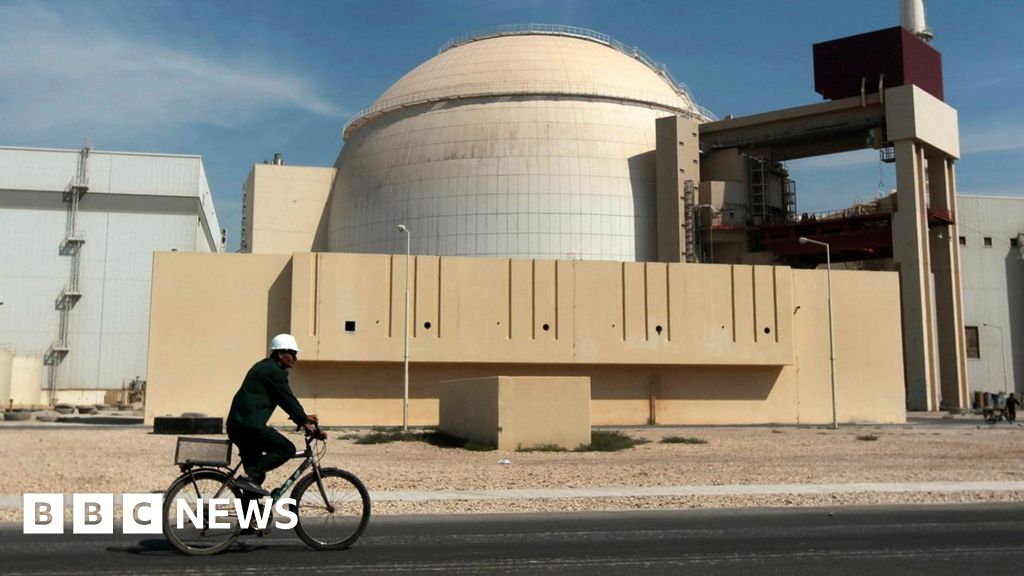
Iran Nuclear Program Under Fire Amid US-Israel War & Sanctions
The geopolitical landscape of the Middle East has once again been dramatically reshaped, as a series of unprecedented strikes by the United States and Israel against Iran have ignited a new chapter of conflict. These aggressive actions, undertaken despite ongoing diplomatic overtures, have thrust Iran’s controversial nuclear program into the international spotlight and amplified persistent us officials iran warnings regarding Tehran's proliferation ambitions. The swift and severe Iranian retaliation has underscored the region's volatile nature, leading to widespread airspace closures, emergency measures, and a palpable sense of apprehension about what comes next.
This latest escalation, described as the most serious since the intense June 2025 conflict, follows a critical breakdown in US-Iran nuclear negotiations held in Geneva. Mediated by Oman, these high-stakes talks failed to achieve any breakthrough, setting the stage for the military operations that ensued. As President Donald Trump declared a "major combat operation" aimed at "eliminating threats from the Iranian regime," the world watches closely, contemplating the profound implications for regional stability and global non-proliferation efforts.
The Escalating Crisis: A Flashpoint in US-Iran Relations
The recent military actions represent a dangerous zenith in the long-strained relationship between Washington, Tel Aviv, and Tehran. The timeline of events paints a stark picture of rapid escalation:
- June 13, 2025: Israel launched significant air strikes against Iranian nuclear and military facilities. Iran swiftly responded with large-scale missile and drone attacks targeting Israeli cities, marking an immediate and fierce counter-escalation.
- June 22, 2025: The United States joined the fray, striking key Iranian nuclear facilities at Natanz, Fordow, and Isfahan. President Trump asserted that these attacks had successfully degraded Tehran’s nuclear program, a claim Iranian officials acknowledged as a setback but not outright destruction.
- June 23, 2025: Iran retaliated by firing missiles towards the Al Udeid airbase in Qatar, a crucial hub for US forces in the region. Fortunately, these missiles were intercepted, preventing casualties.
This period of intense fighting culminated in a US-brokered ceasefire on June 24, ending 12 days of hostilities. The human cost was significant, with Iran reporting 610 casualties and Israel confirming 28. These events dramatically highlight the fragility of peace and the profound risks associated with military confrontation in such a volatile region. Each move and counter-move has been under the careful scrutiny of international observers, often framed by stern us officials iran warnings about the consequences of continued Iranian nuclear development and regional adventurism. To delve deeper into the specific sequence of events and their immediate aftermath, you can refer to our detailed analysis: US-Israel Strikes Ignite Major Iran Conflict: A Timeline.
Iran's Nuclear Trajectory Under Duress: Sanctions, Strikes, and IAEA Access
The primary focus of this enduring conflict remains Iran's nuclear program. The strikes aimed at its facilities underscore the international community's deep concern, particularly the United States and Israel, about Tehran's capabilities and intentions. While US officials claimed to have degraded the program, Iranian counterparts maintained that while their progress was indeed set back, it was far from destroyed, signaling a resolve to continue their controversial enrichment activities.
A significant development following the hostilities was Iranian President Masoud Pezeshkian's decision on July 2, to sign legislation halting cooperation with the International Atomic Energy Agency (IAEA). This move effectively barred IAEA inspectors from accessing Iran's nuclear facilities without specific authorization from the Supreme National Security Council, creating a critical intelligence vacuum and deepening international mistrust. Iran's Foreign Minister, Abbas Araghchi, reiterated on July 22 that Tehran would not abandon its uranium enrichment program, despite "serious and severe" damages incurred during the conflict.
In response to these developments, diplomatic pressure mounted. On August 28, the United Kingdom, France, and Germany triggered a mechanism to reinstate United Nations sanctions on Iran—the first time in a decade. This collective action highlights the international community's frustration and determination to constrain Iran's nuclear ambitions, often echoing the consistent messaging from us officials iran warning that a nuclear-armed Iran is an unacceptable threat. These renewed sanctions add another layer of economic pressure to the existing military and diplomatic challenges faced by Tehran, aiming to compel a change in its nuclear policy.
Insight for Policy Makers: The cessation of IAEA access poses an immense challenge. Without independent verification, assessing the true state of Iran's nuclear program becomes speculative. Future negotiations, therefore, must prioritize the re-establishment of robust inspection regimes, possibly with enhanced transparency measures, to rebuild confidence and prevent a clandestine pursuit of nuclear capabilities.
Navigating the Geopolitical Minefield: Regional Ramifications and Diplomatic Dead Ends
The recent conflict has reverberated across the Middle East, transforming the regional security landscape. Iran's initial retaliatory strikes extended beyond Israel to Bahrain, Saudi Arabia, Qatar, the United Arab Emirates, and Iraq, demonstrating Tehran's capacity and willingness to project power across its neighbors. This broad targeting has reignited fears of a wider regional conflagration, pulling various actors into a precarious balance of power.
President Trump's declaration of a "major combat operation" was a stark articulation of the US commitment to confront what it perceives as threats from the Iranian regime. This strong stance, often characterized by direct us officials iran warnings, signaled a shift towards a more assertive military posture. The rhetoric further amplified tensions, leaving little room for ambiguity regarding Washington's resolve. The 12-day war also left a profound societal impact within Iran, with state media reporting on August 12 the arrest of as many as 21,000 individuals connected to the conflict, indicating significant internal unrest and a government crackdown.
Despite the military confrontation, some diplomatic avenues remained. Iran agreed on August 22 to resume nuclear talks with the UK, France, and Germany, even in the shadow of revived sanctions. This demonstrates a persistent, albeit often fraught, reliance on diplomacy to manage the crisis, even when military and economic pressures are at their peak. The balancing act between coercion and engagement remains a defining feature of international efforts to address the Iranian nuclear program. For a deeper understanding of the rhetoric and its impact on the nuclear program, explore: Trump's Iran Threat: Escalation & Nuclear Program Impact.
Practical Tip: Understanding the motivations of regional players is crucial. Escalation often stems from perceived threats or miscalculations. Open communication channels, even indirect ones, can help de-escalate tensions and prevent unintended conflicts. Track-II diplomacy and regional dialogues, though challenging, offer avenues to build trust and shared understanding.
The Path Forward: Challenges and Considerations for International Policy
The current situation presents an intricate web of challenges for international policymakers. The immediate future for the Iran nuclear program is uncertain, heavily influenced by the interplay of sanctions, military threats, and Iran's unwavering commitment to its enrichment capabilities. The consistent theme from us officials iran warning of the dangers of a nuclear Iran continues to shape diplomatic and security strategies.
Several pathways could emerge:
- Renewed Diplomacy with Stronger Safeguards: While previous talks failed, the high cost of conflict might compel all parties back to the negotiating table. Any future agreement would likely require more stringent verification mechanisms and a clearer pathway to addressing Iran's regional behavior.
- Tightened Sanctions and Economic Pressure: The reinstatement of UN sanctions signals a willingness to ramp up economic pressure. The effectiveness of these measures will depend on their enforcement and the willingness of global actors to comply.
- Continued Military Deterrence: The recent strikes indicate a readiness to use military force. Maintaining a credible deterrent, coupled with clear red lines, will be crucial, but also carries the inherent risk of further escalation.
- Regional De-escalation Efforts: Engaging regional powers in dialogue to reduce proxy conflicts and foster security cooperation could create a more conducive environment for broader peace.
The core objective behind every us officials iran warning remains the prevention of a nuclear-armed Iran, and the global community faces the arduous task of achieving this through a combination of robust diplomacy, stringent non-proliferation measures, and a cautious approach to military action. The delicate balance between pressure and dialogue will determine whether the region can avert further catastrophe.
Conclusion
The recent US-Israel strikes on Iran and Iran's subsequent retaliation have plunged the Middle East into a new era of heightened tension and conflict. The persistent issue of Iran's nuclear program remains at the heart of this crisis, exacerbated by the breakdown of diplomatic talks and the re-imposition of international sanctions. As us officials iran warnings about Tehran's nuclear ambitions continue to echo, the challenge for the global community is to navigate this treacherous landscape without triggering a wider, more devastating war. The path forward demands a nuanced strategy that blends unwavering diplomatic pressure, robust verification mechanisms, and a clear understanding of the geopolitical realities, all while striving to de-escalate tensions and prevent the proliferation of nuclear weapons in an already volatile region.