US-Israel Strikes Ignite Major Iran Conflict: A Timeline of Escalation
The geopolitical landscape of the Middle East was dramatically reshaped following a series of aggressive US-Israel strikes on Iran, igniting a major regional conflict that had been simmering for years. This sudden, forceful escalation came despite ongoing, high-stakes diplomatic efforts and repeated warnings from various international bodies and even *us officials iran warning* against such a precipitous move. The strikes and subsequent retaliation plunged the region into a state of intense instability, fundamentally altering the trajectory of Iran's nuclear program and challenging global peace.
The catalyst for this renewed cycle of violence was a convergence of stalled nuclear negotiations and persistent mistrust. Just two days prior to the initial US-Israel assault, critical US-Iran nuclear talks in Geneva, mediated by Oman, had collapsed without any discernible breakthrough. This failure underscored the deep chasm separating Washington and Tehran, setting the stage for military action that marked the most serious escalation since the brief but intense June 2025 war.
The Spark: A Sudden Regional Conflagration (June 2025 Attacks)
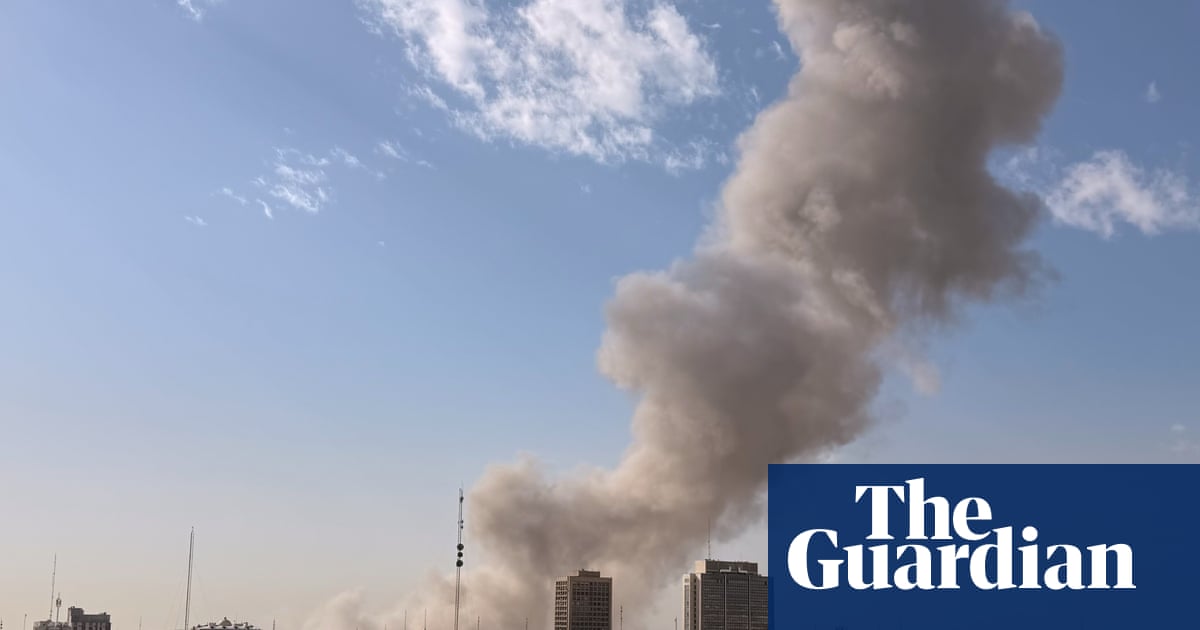
The flashpoint arrived with alarming speed on a Saturday, as the United States and Israel launched coordinated strikes against Iranian targets. Israeli officials were quick to confirm that their operations specifically targeted Iran’s military and crucial nuclear-related infrastructure, signaling a direct challenge to Tehran's strategic capabilities. The immediate response across Israel was palpable: airspace was swiftly closed, and emergency measures were imposed, reflecting the anticipated blowback. This protective posture was mirrored by several other countries in the region, including Bahrain, Saudi Arabia, Qatar, the United Arab Emirates, and Iraq, all of whom announced airspace closures, highlighting the widespread fear of regional spillover.
President Donald Trump confirmed the gravity of the US involvement, stating unequivocally that Washington had commenced a "major combat operation" in Iran. His declared aim was clear: "eliminating threats from the Iranian regime." In a stern address, Trump issued a definitive warning, asserting, "This regime will soon learn that no one should challenge the strength and might of the United States Armed Forces." This rhetoric, coupled with the military action, dramatically escalated tensions and solidified the perception that diplomacy had failed. Indeed, despite consistent *us officials iran warning* statements about the potential consequences of a nuclear breakout, the decision for direct military engagement represented a stark shift.
Iran's retaliation was swift, furious, and widespread. Within hours of the US-Israel attacks, Tehran responded with a barrage of missile and air strikes across the region, directly hitting targets in Israel, as well as several other nations that felt the ripple effects of the escalating conflict. This immediate and robust response demonstrated Iran's capacity and willingness to project power, transforming a localized strike into a broader regional confrontation.
A Rollercoaster of Conflict and Fleeting Ceasefire (June 2025)
The events of June 2025 unfolded rapidly, painting a picture of intense military exchanges interspersed with brief attempts at de-escalation.
*
June 13, 2025: Israel initiated major air strikes, focusing on Iranian nuclear and military facilities. This aggressive move occurred even as US-Tehran talks were supposedly ongoing, revealing a deep lack of faith in the diplomatic process. Iran responded within hours, unleashing large-scale missile and drone attacks on Israeli cities, illustrating its readiness for immediate counter-action. The ferocity of this initial exchange underscored the profound instability in the region.
*
June 22: The United States expanded the scope of the conflict, striking key Iranian nuclear facilities at Natanz, Fordow, and Isfahan. President Trump claimed these attacks had successfully degraded Tehran’s nuclear program. While Iranian officials conceded that their program had indeed been "set back," they vehemently denied that it was "destroyed," signaling their intent to rebuild and continue. This period saw increased *us officials iran warning* rhetoric regarding the irreversible damage being inflicted on Iran's nuclear infrastructure.
*
June 23: In a direct act of retaliation against the US, Iran fired missiles towards Al Udeid airbase in Qatar, a crucial hub housing US soldiers. While the missiles were intercepted and no casualties were reported, the incident highlighted the expanding geographical reach of the conflict and the direct threat to US personnel in the region.
*
June 24: After 12 days of intense fighting, a US-brokered ceasefire finally took effect between Iran and Israel, bringing a temporary halt to the hostilities. The human cost was significant; Iran reported at least 610 of its citizens killed, while Israel claimed 28 casualties on its side. This ceasefire, though welcomed, was a fragile truce, born out of necessity rather than genuine reconciliation.
For more details on the specific targeting and impact on Iran's atomic capabilities during this period, you can read about how the
Iran Nuclear Program Under Fire Amid US-Israel War & Sanctions.
Unraveling Nuclear Pacts and Mounting Pressure (July-August 2025)
The fragile ceasefire did little to resolve the underlying tensions, particularly concerning Iran's nuclear ambitions. The period immediately following the conflict saw a series of moves by Iran that further isolated it and intensified international pressure.
*
July 2: In a defiant move, Iranian President Masoud Pezeshkian signed legislation effectively halting cooperation with the International Atomic Energy Agency (IAEA). This dramatic step barred IAEA inspectors from accessing Iran’s nuclear facilities unless specifically authorized by the country’s Supreme National Security Council. This decision severely hampered international oversight and raised alarm bells globally, drawing immediate *us officials iran warning* about the consequences for transparency and trust.
*
July 22: Iran’s Foreign Minister, Abbas Araghchi, reiterated Tehran’s unwavering stance, stating that the country would "not give up its uranium enrichment program." This declaration came despite acknowledging a "temporary halt" due to "serious and severe" damages inflicted during the recent conflict, signaling that any setbacks were viewed as temporary.
*
August 12: The internal repercussions of the war became evident as Iranian state media reported the arrest of as many as 21,000 people allegedly related to the 12-day war with Israel. This mass crackdown underscored the regime's efforts to consolidate power and suppress dissent in the aftermath of the conflict.
*
August 22: Amidst mounting international pressure, Iran unexpectedly agreed to resume nuclear talks later in the month with the United Kingdom, France, and Germany (the E3). This gesture, however, was overshadowed by the looming threat of revived sanctions.
*
August 28: True to their word, the three European countries triggered a mechanism reinstating the United Nations’ sanctions on the Islamic republic for the first time in a decade. This collective action by the E3, often in alignment with American foreign policy objectives and reflecting consistent *us officials iran warning* about non-compliance, marked a significant diplomatic blow, designed to economically cripple Iran and force compliance with international nuclear regulations.
Analysis and Implications for the Future
The timeline of events from June to August 2025 vividly illustrates the perilous tightrope walk between diplomacy and military confrontation in the Middle East. The US-Israel strikes, despite numerous *us officials iran warning* regarding the unpredictability of war, were a calculated risk aimed at degrading Iran's nuclear capabilities and reasserting regional dominance. However, Iran's fierce and widespread retaliation proved that such actions carry significant blowback, not only for the aggressors but for the entire region. The subsequent Iranian defiance, particularly regarding IAEA access and uranium enrichment, suggests that military pressure alone may not achieve the desired long-term denuclearization.
The role of international mediation, as seen with Oman's efforts in Geneva and the US-brokered ceasefire, remains critical but precarious. When diplomacy falters, as it did in Geneva, the path to conflict becomes dangerously clear. The re-imposition of UN sanctions by the E3, long threatened by the international community and often spearheaded by *us officials iran warning* of such economic penalties, represents a sustained effort to exert non-military pressure. Yet, Iran's history suggests a resilience to sanctions, often leading it to deepen its nuclear program in defiance.
Moving forward, the lessons from this period are stark:
*
The Danger of Miscalculation: Both sides risked a far larger war, and the swiftness of escalation highlights the minimal margin for error.
*
Interconnectedness: A strike in one nation instantly affects many others, as evidenced by regional airspace closures and missile trajectories.
*
Fragile Diplomacy: Even high-stakes talks can unravel quickly, underscoring the need for robust, continuous diplomatic channels, even during conflict.
The US strategy, particularly under President Trump, demonstrated a willingness to use overwhelming force. For further context on this approach, consider exploring
Trump's Iran Threat: Escalation & Nuclear Program Impact.
Conclusion
The summer of 2025 marked a watershed moment in US-Iran-Israel relations, transforming an already tense standoff into an overt conflict with profound regional and global implications. Despite ongoing diplomatic efforts and consistent *us officials iran warning* about the potential consequences of escalating tensions, the decision to launch direct military strikes ignited a chain reaction of retaliation, casualties, and renewed international sanctions. The events underscored the deep-seated mistrust, the potency of Iran's retaliatory capabilities, and the enduring challenge of reining in its nuclear program. As the region navigates the aftermath, the imperative for nuanced diplomacy, strategic foresight, and de-escalation remains paramount to prevent a return to the brink of a full-scale regional war.